Falling Tide Fading Light

17 September 2025
The North Atlantic Arc Home
| September |
| S | M | T | W | T | F | S |
| 13 | ||||||
| 14 | 15 | 16 | 17 | 18 | 19 | 20 |
| 21 | 22 | 23 | 24 | 25 | 26 | 27 |
| 28 |
 |
|
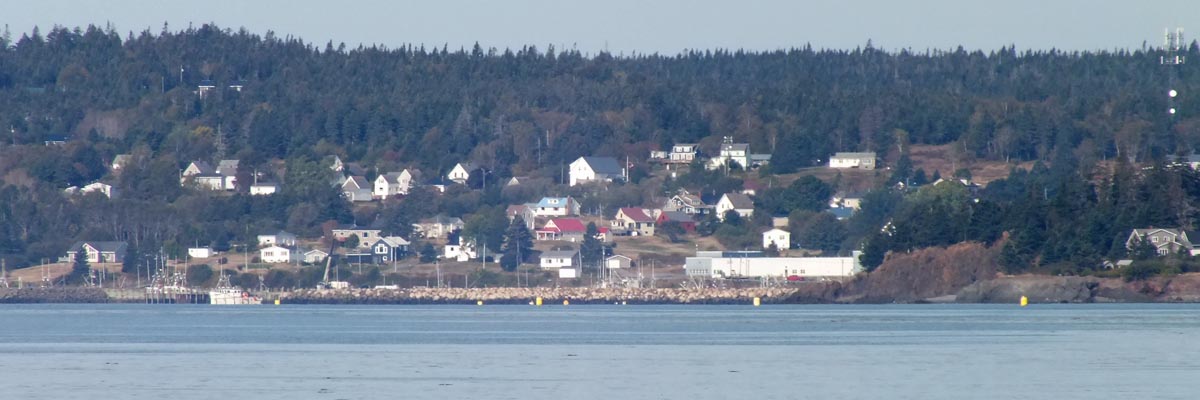
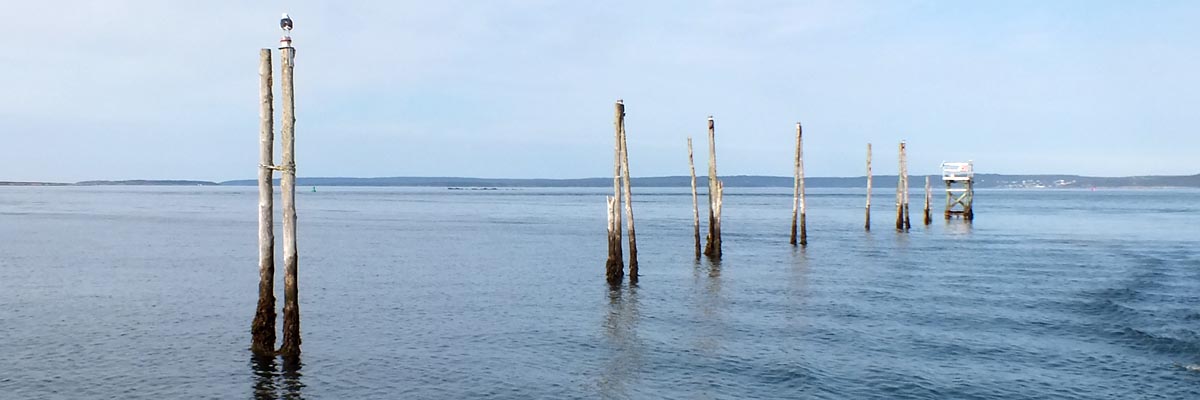
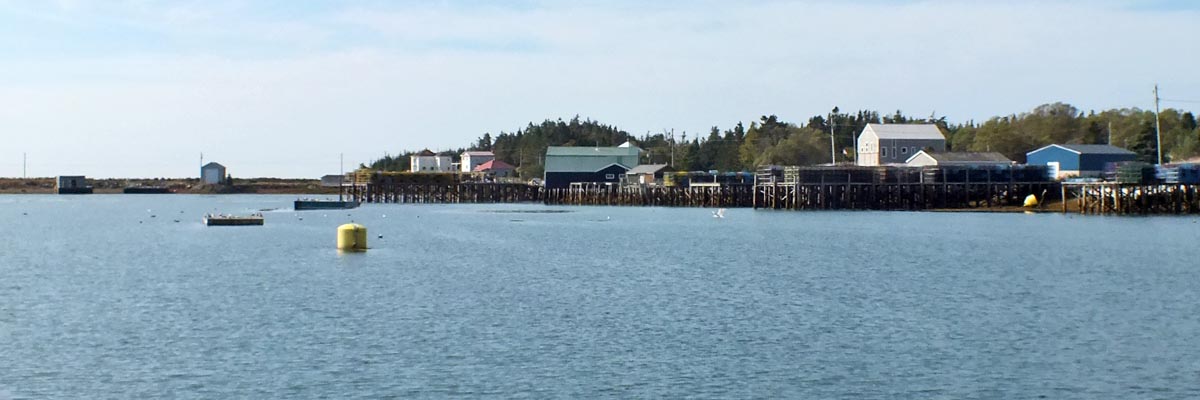
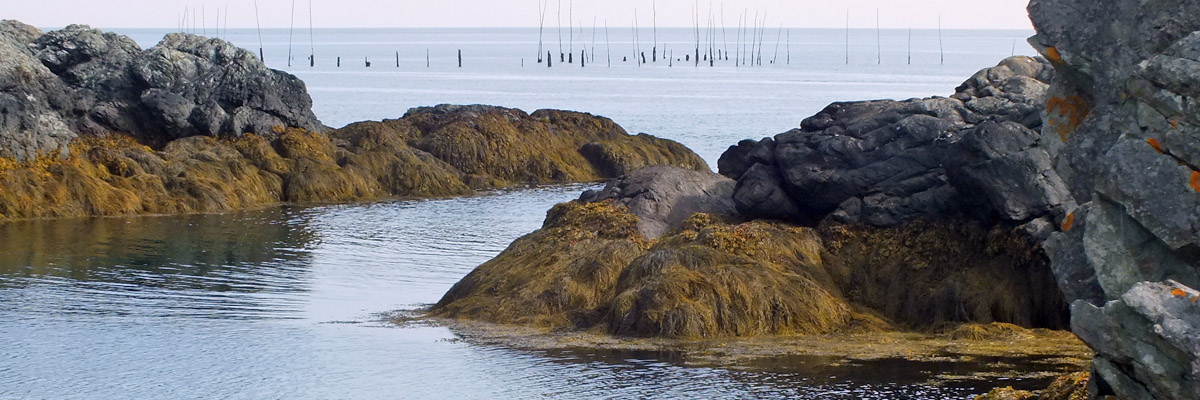
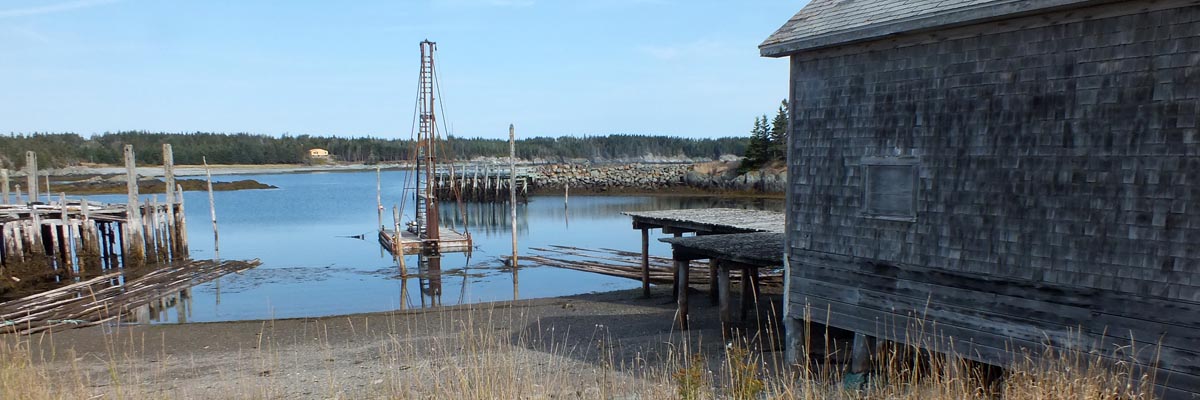
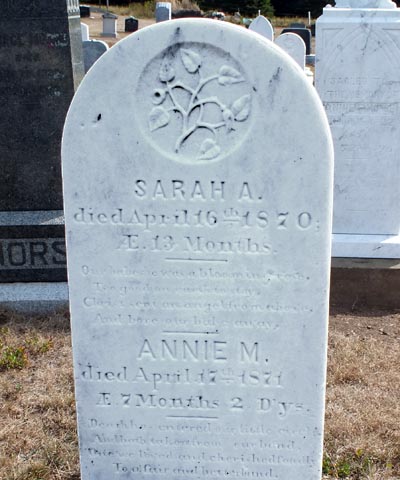
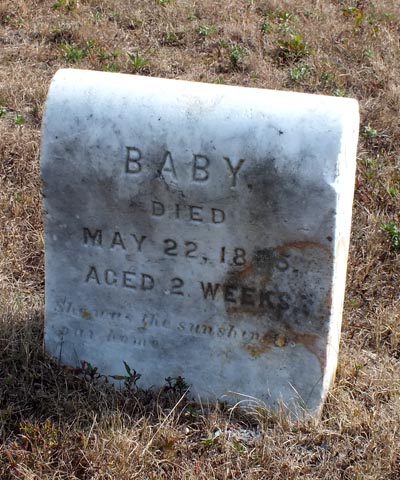
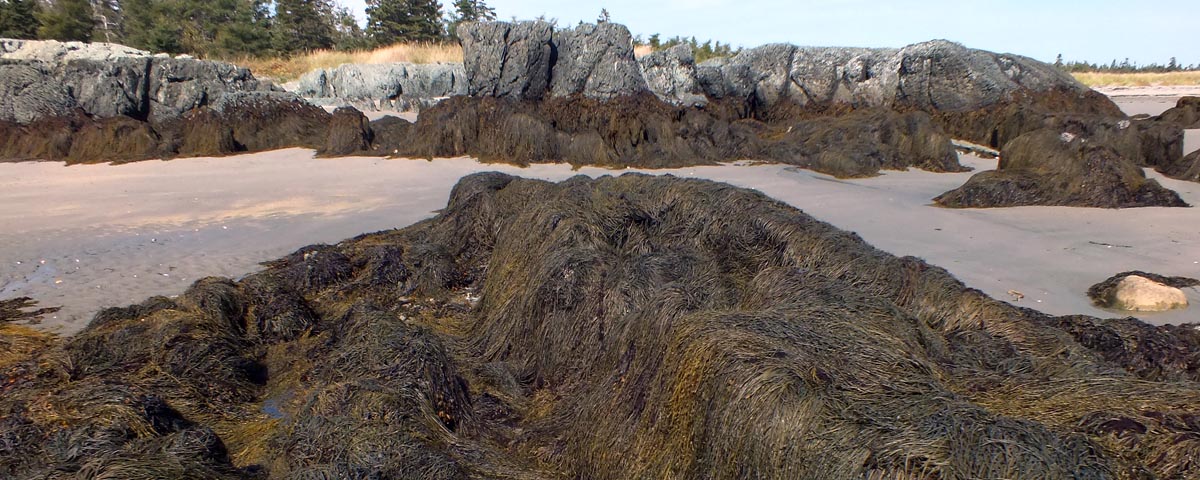
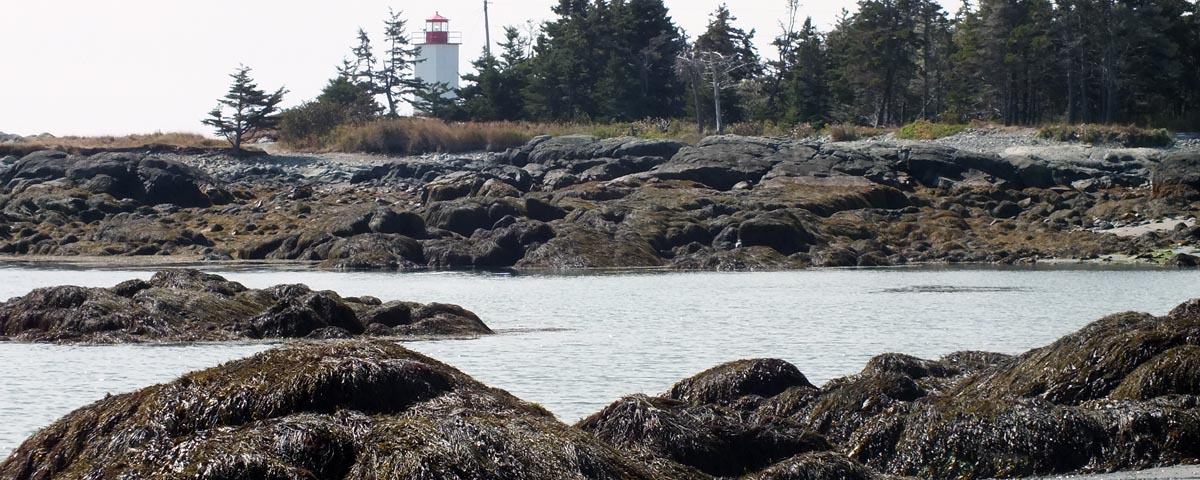
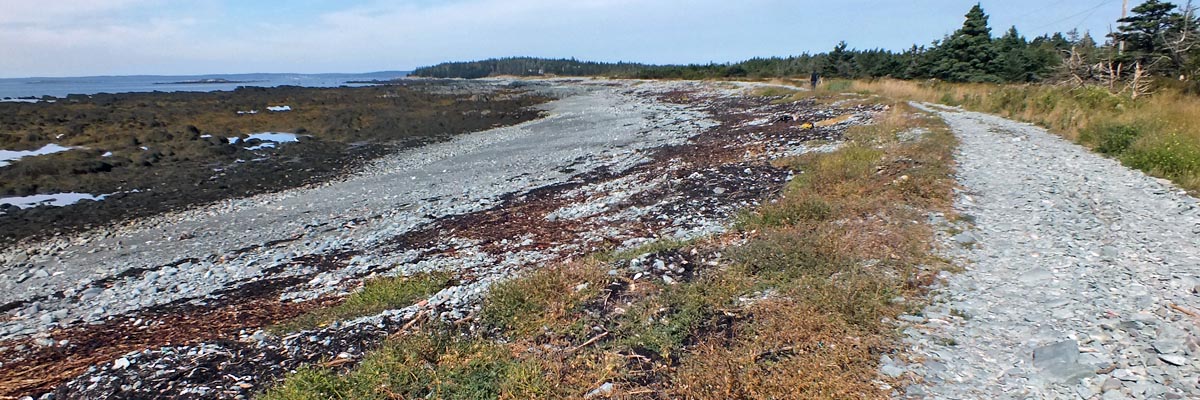
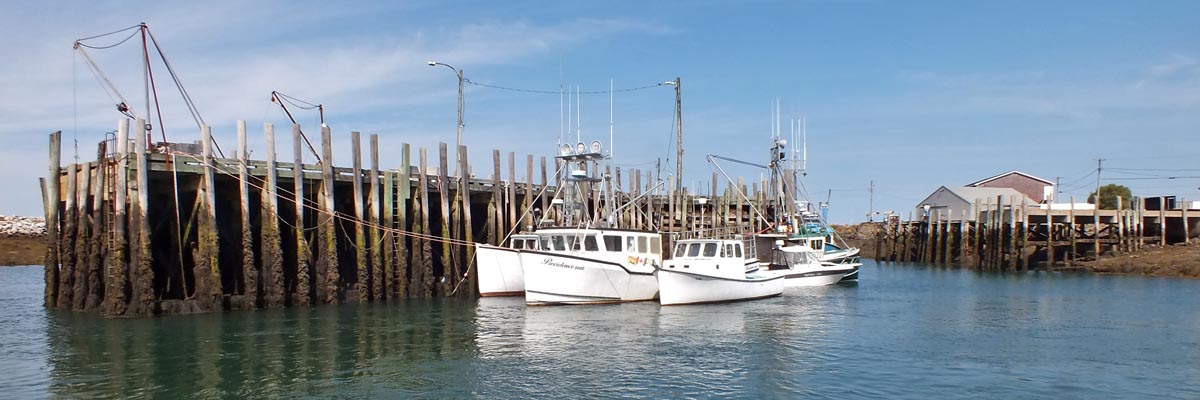
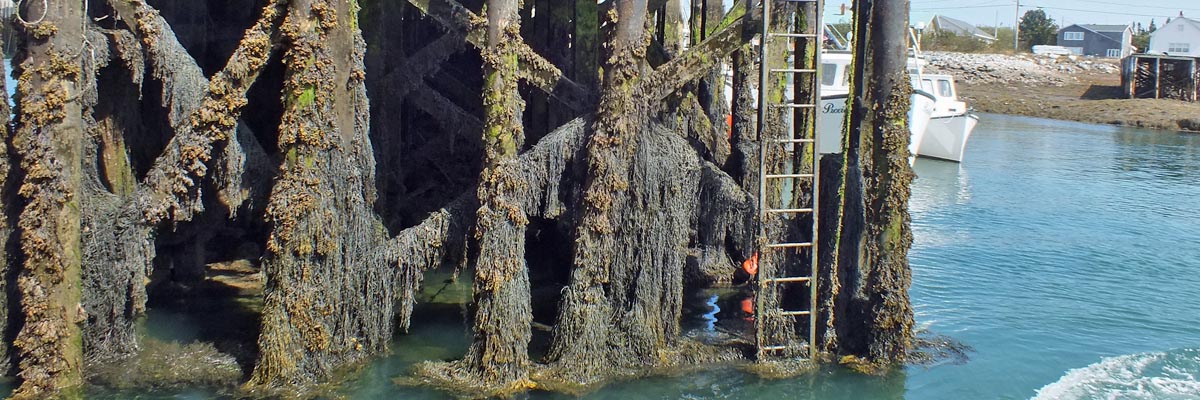
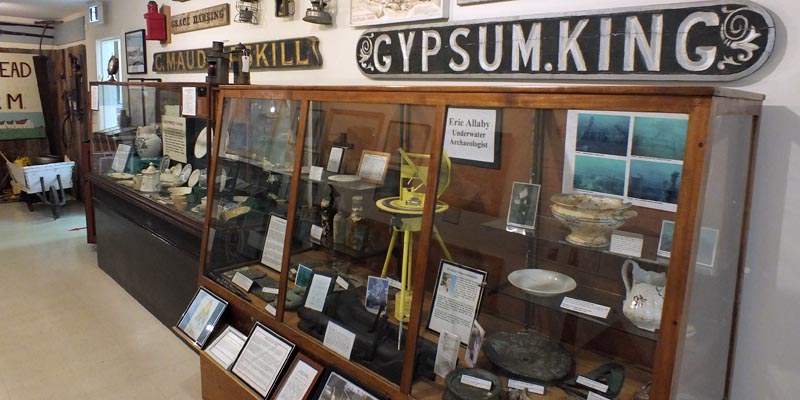
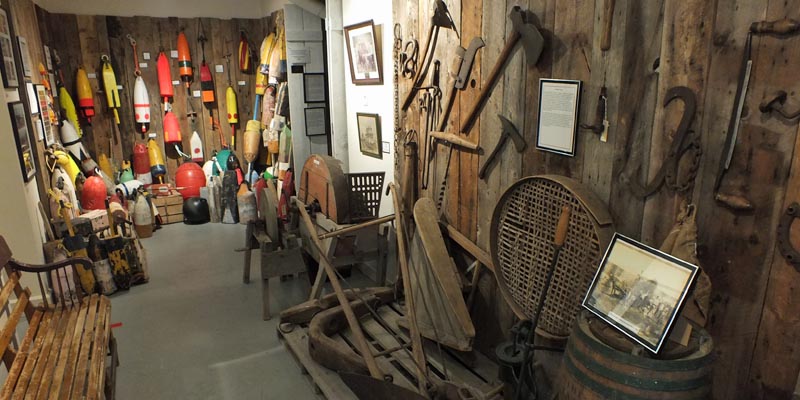
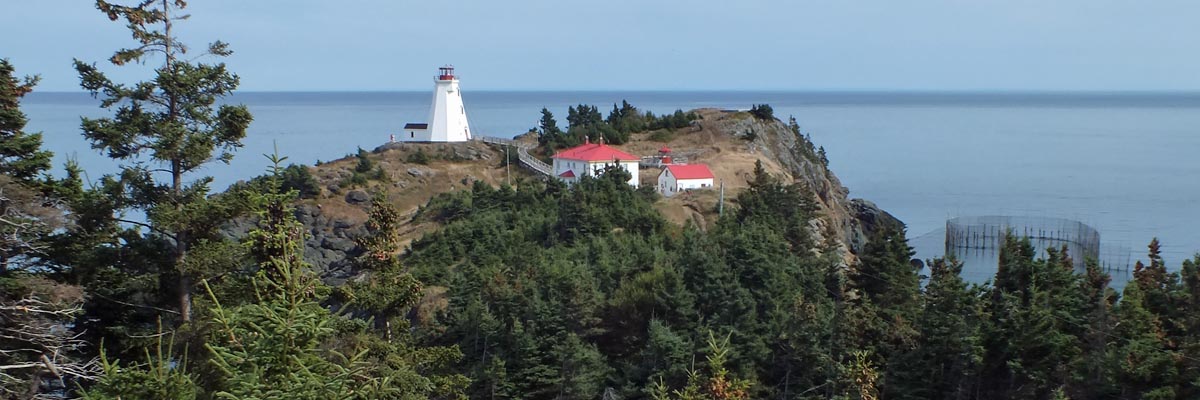
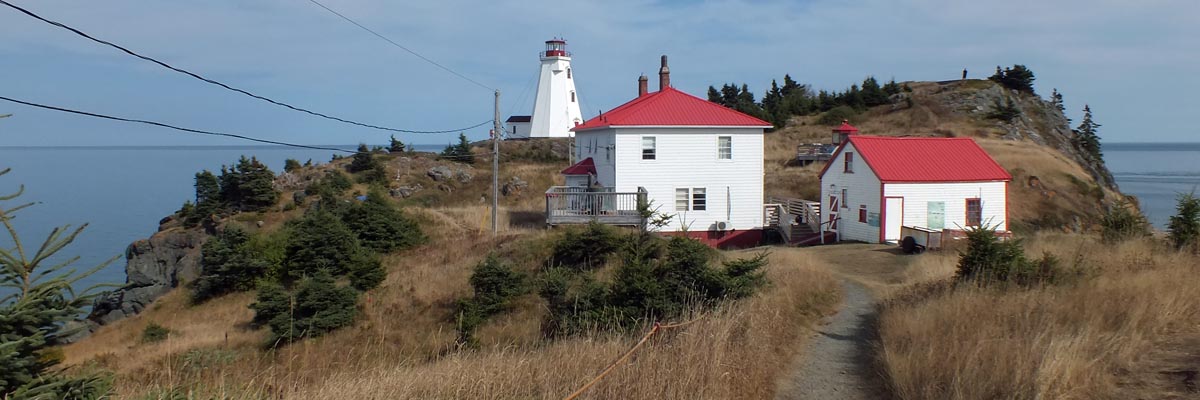
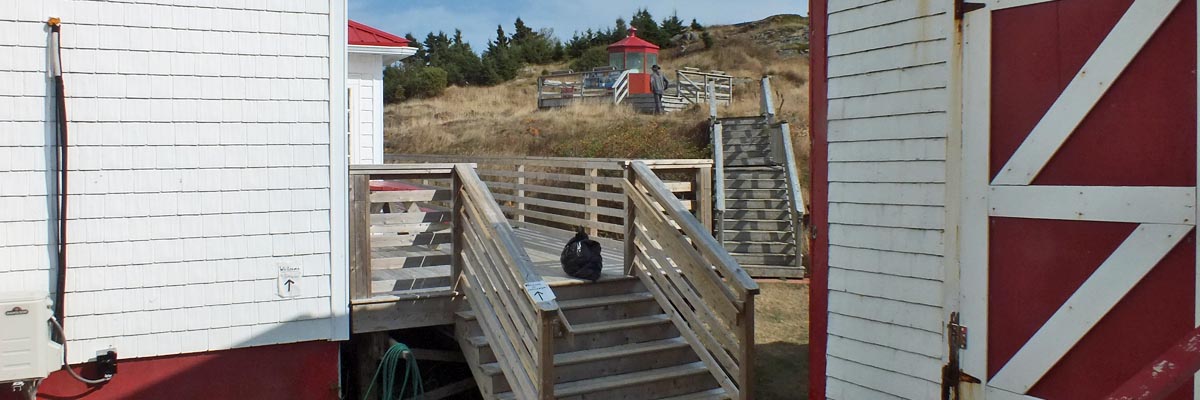
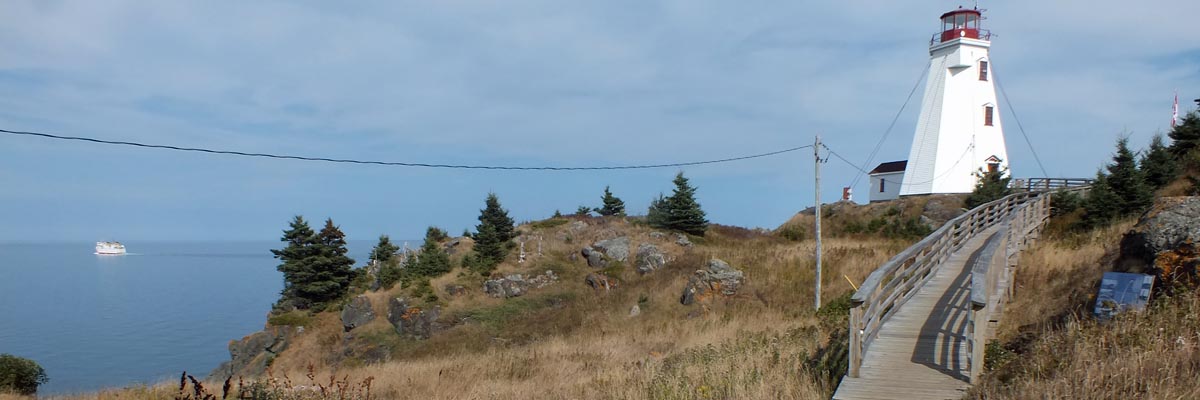
Wednesday 17 September 2025--We're going to White Head Island today. White Head is a two-and-a-half square mile patch of land lying a bit more than two miles southeast of Ingalls Head. Wikipedia says it had a population of 162 in 2011, and I doubt it has trended upward since. I'm sure the island would have been deserted entirely, if not for the government-subsidized ferry that runs throughout the day, seven days a week. The one small general store closed in 2022. There is still a post office, open a few hours a day on weekdays. The ferry landing at Ingalls Head is at the western side of the narrow mouth to Grand Harbour. The eastern side is enclosed by Ross Island, separated from the bulk of Grand Manan only at the higher tides by a narrow channel. Grand Manan's first Loyalist settlers landed on Ross in 1784, most then moving on to Grand Manan proper. One, Moses Gerrish, is buried on Ross, apparently the only current occupant. A lighthouse marked the entrance to the harbor until 1963, when a light was placed on the breakwater at Ingalls Head. Sadly, the structure on Ross deteriorated and was eventually destroyed by a series of storms. The Grand Manan Museum salvaged parts of the lantern room. Between Ross and White Head Islands lies Cheney Island, named for early settler William Cheney, US Vice President Dick Cheney's great-great-great-great grandfather. According to a CBC article, William was murdered on the island. There does not seem to be any record of a perpetrator being identified. We ferry across and land at White Head Harbour, which appears to be a functional fishing port, although there is no activity at the moment. We drive to the end of the road, clockwise halfway around the island. There's a pebbly beach, herring weirs offshore, and at Gull Cove a couple of decaying sheds and a rotting pier. John J Audubon visited in 1833, interested to learn that the local gulls had, within living memory, learned to build their nests in the trees, rather than on the open ground, as was the species' usual custom; this to protect their eggs and young from human gatherers. Back by the Baptist church, we stop for a poke around the cemetery. The 19th-century stones are mostly white marble. The thing that strikes me is the large number that document infant and childhood mortality, maybe half the markers in the yard. Life must have been hard here. Back through the village we drive, to the end of the road in the south, or at least the end of the driveable part. You'd want four-wheel drive to continue on the rough track above the beach leading to Long Point, where a charmless box of a light, like the one at Southwest Head, stands guard. This replaced a more handsome light and keeper's dwelling at Gull Cove, long gone. On the other side of the point is Sandy Cove Beach, the prettiest we've seen, with smooth white sand and gnarly rocks, shaggy with seaweed. Back on Grand Manan, we visit the museum in Grand Harbour, loaded mainly with artifacts related to fishing and dulsing. Then we drive up through the village of North Head and walk out to the Swallowtail Light. The headland on which the light stands is nearly an island; it's necessary to cross a narrow wooden bridge to get to it. After the light was automated, the remainder of the property was transferred to the Village of North Head (later amalgamated into the Village of Grand Manan). It is maintained as a historic site by a local civic organization. The keeper's residence was used as a B&B for a few years after its restoration was funded by the producers of a movie called Hemoglobin,* but it has lain vacant for a couple of decades. The light itself is still doing its job. We have dinner at The Seaquel, a restaurant across the street from the ferry queueing lot. The offseason visitor should have a high tolerance for fried food...maybe the in-season visitor, as well. It's well done everywhere we've been. On the way back to Seal Cove, we stop at Ahmet's for a thing or two, then detour through Anchorage Provincial Park to see the western end of the beach at Long Pond Cove. We were at the eastern end of the mile-and-a-half long beach yesterday. Here by the campground, the main attraction is a colony of semi-feral rabbits. No one knows how they got here. Grand Manan Brewing is conveniently on the way back to the house. Next*Hemoglobin, also released as Bleeders--neither title is particularly relevant--was filmed at Swallowtail Head and in Seal Cove in 1996. The film, which was based very loosely on an H P Lovecraft story and features a slumming Rutger Hauer and Roy Dupuis, can be seen on YouTube, if you happen to be a connoisseur of bad cinema. Classifying it as a grade B horror flick would be generous grading. For the less tolerant, there's an amusing review, with spoilers, at this blog. It's not surprising that no one brags about Grand Manan being the movie's location. |
Seal Cove to White Head Island
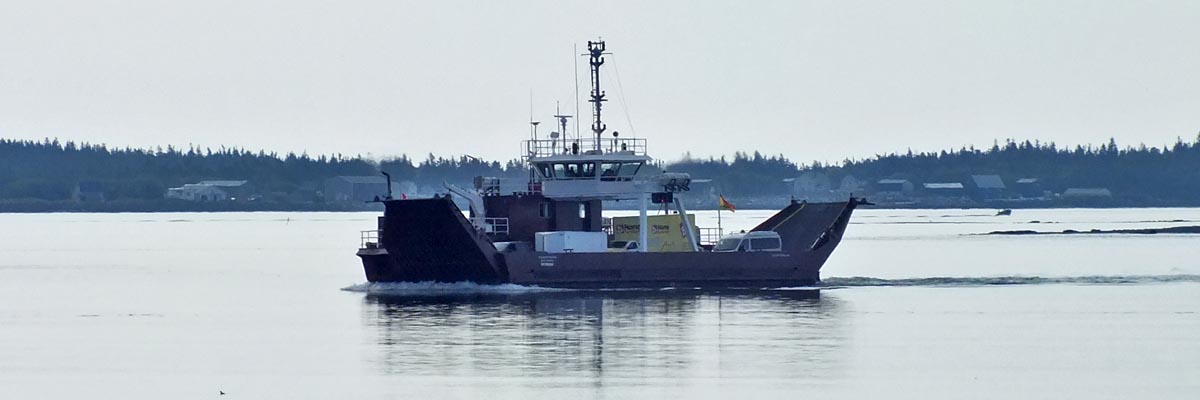 |
White Head Island Ferry
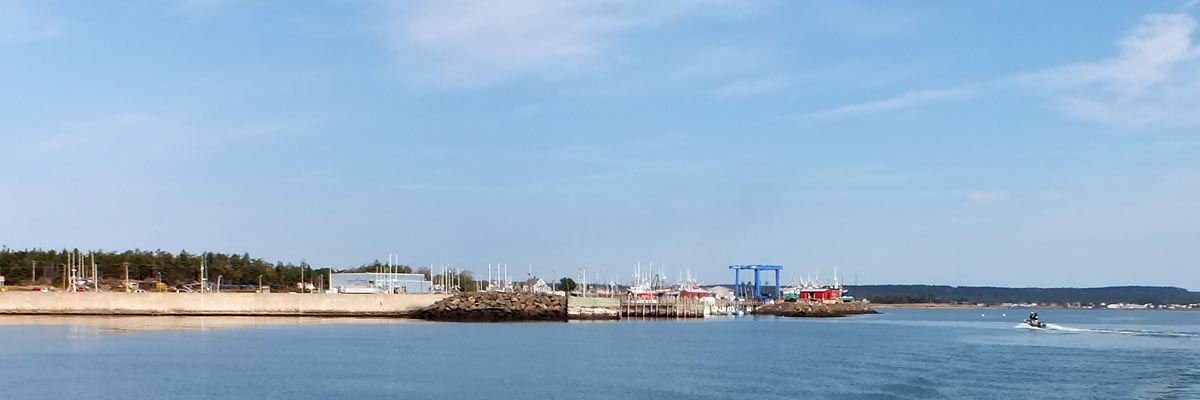 |
Ingalls Head
 |
Seal Cove
 |
Approaching White Head Harbour
 |
White Head Harbour
 |
At The End Of The Road
 |
Gull Cove
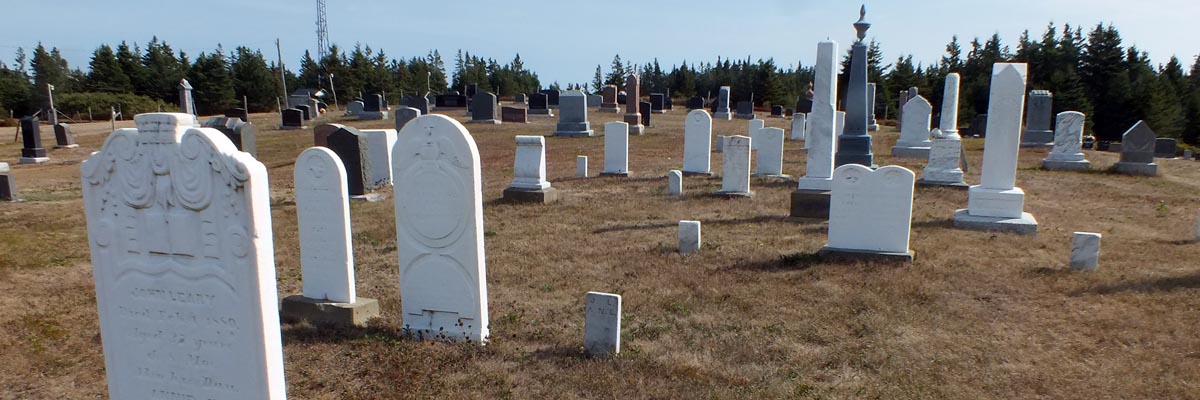 |
Cemetery
 |
 |
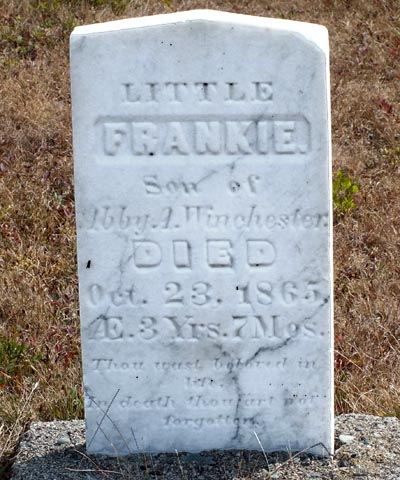 |
Sarah & Annie, Baby, Little Frankie
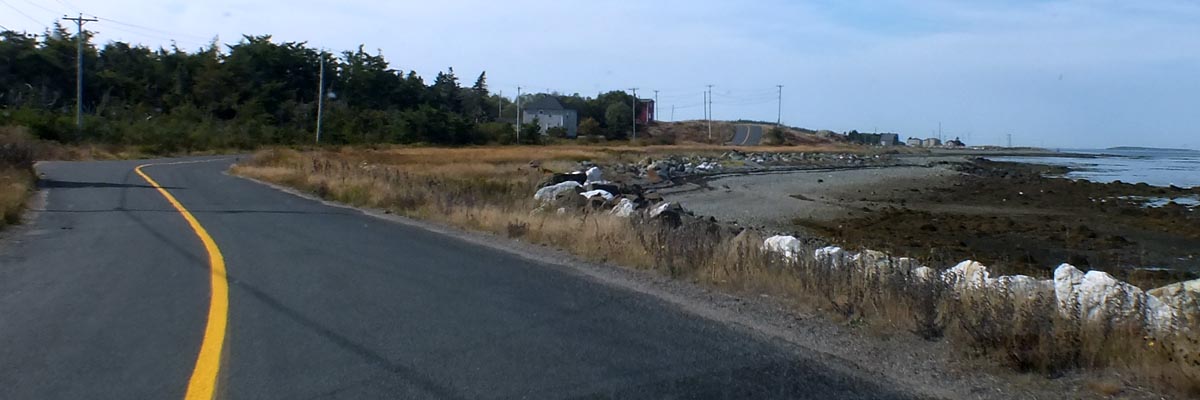 |
Back South
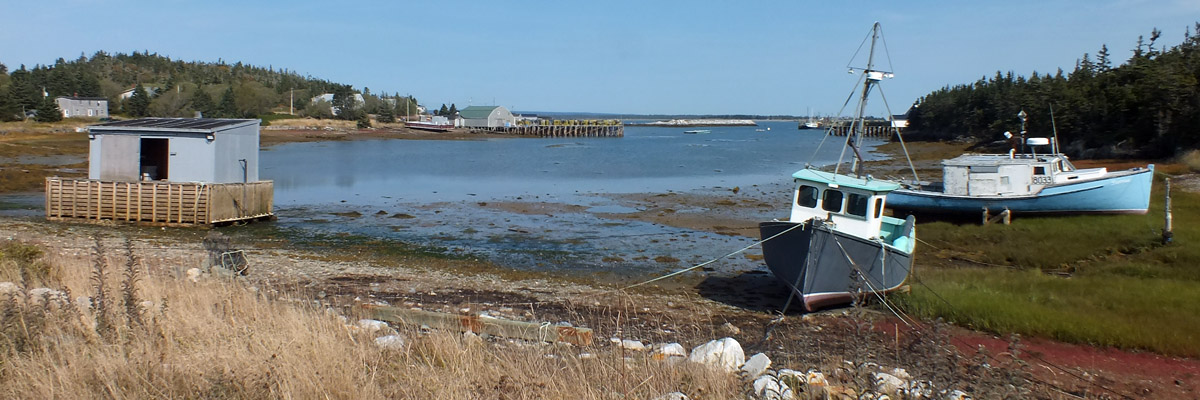 |
White Head Harbour
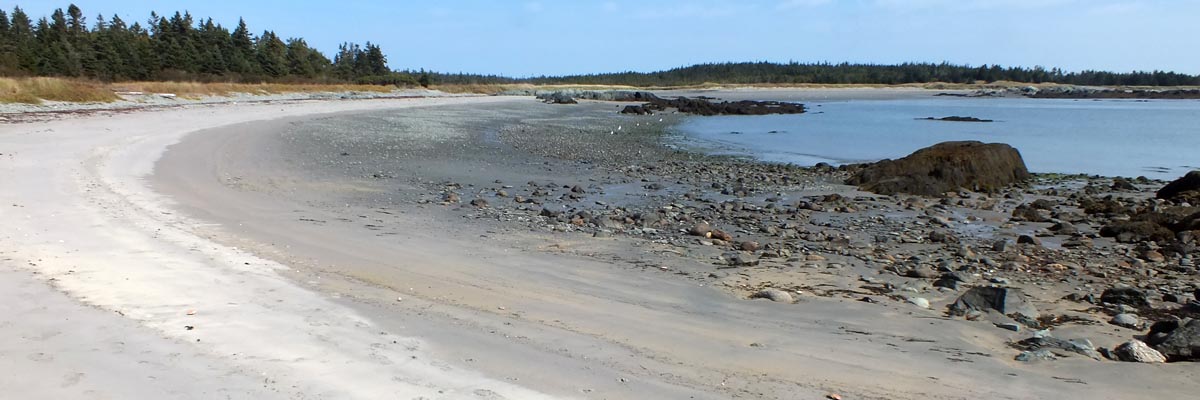 |
Long Point Beach
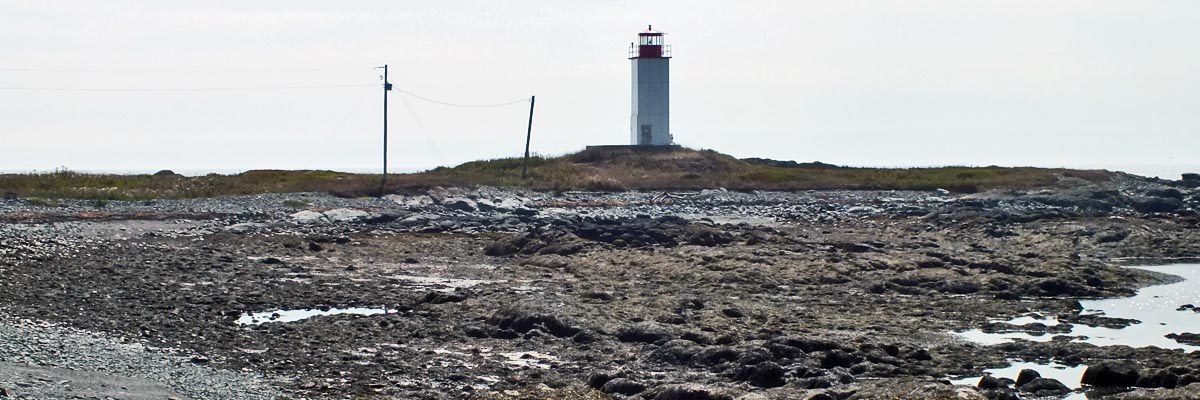 |
Long Point Light
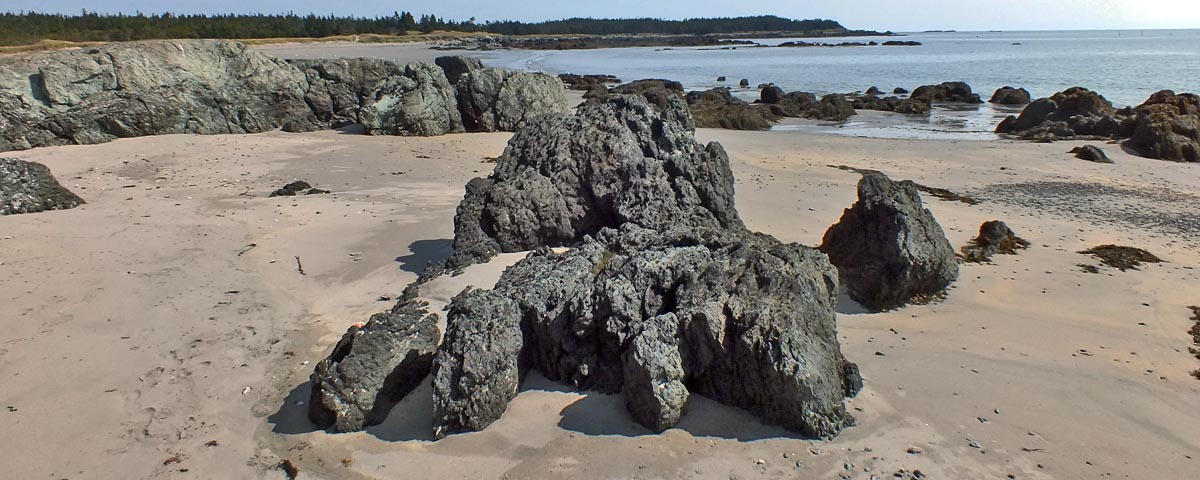 |
Sandy Cove Beach
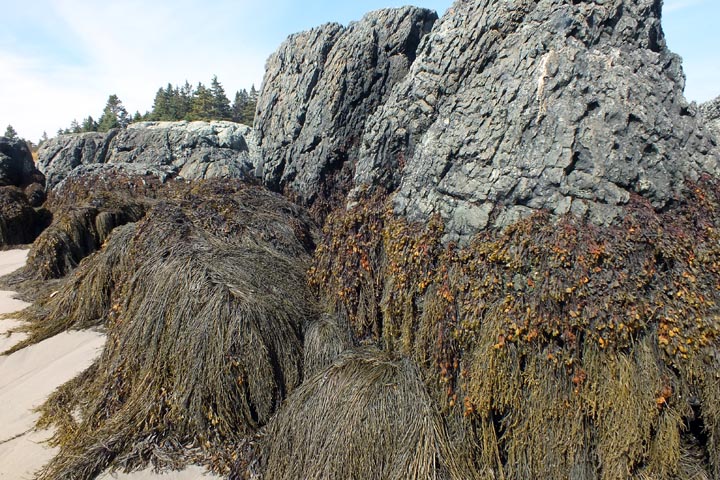 |
Sandy Cove Beach
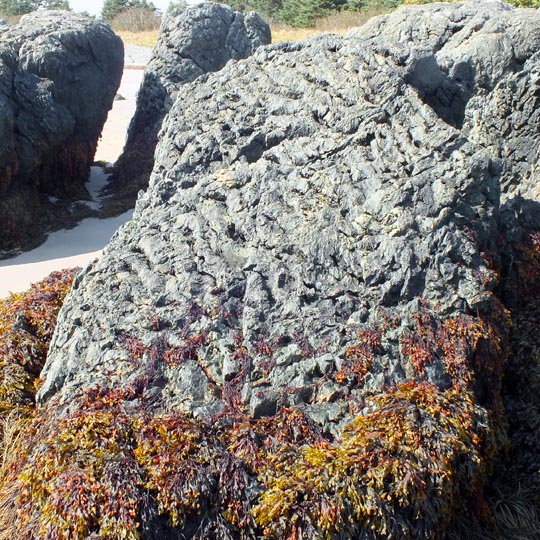 |
Sandy Cove Beach
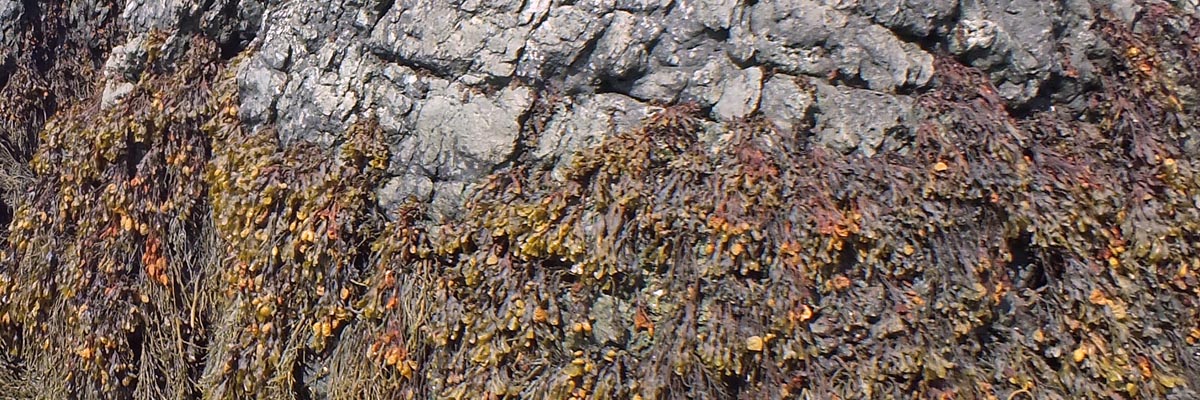 |
Tide Line #1
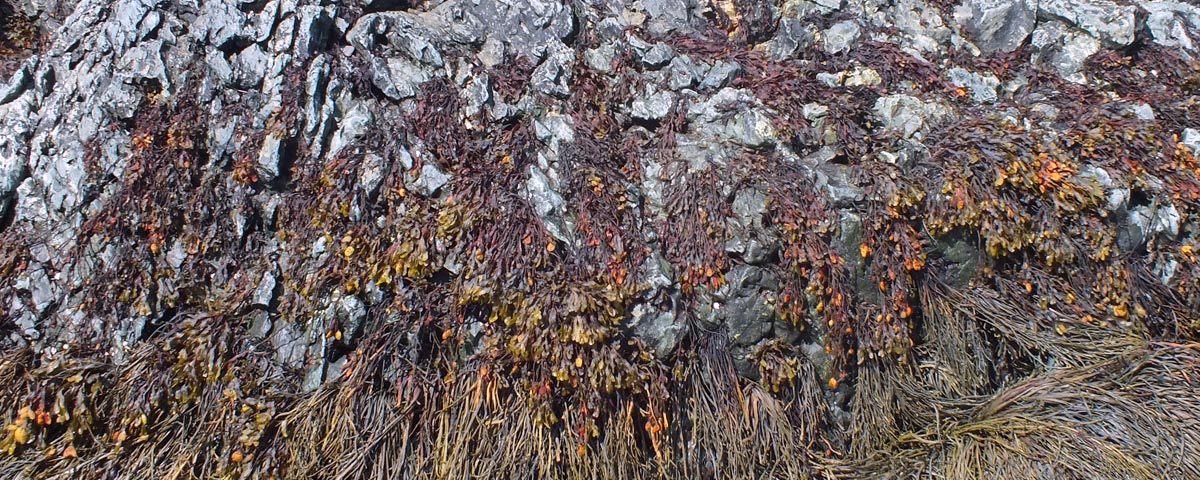 |
Tide Line #2
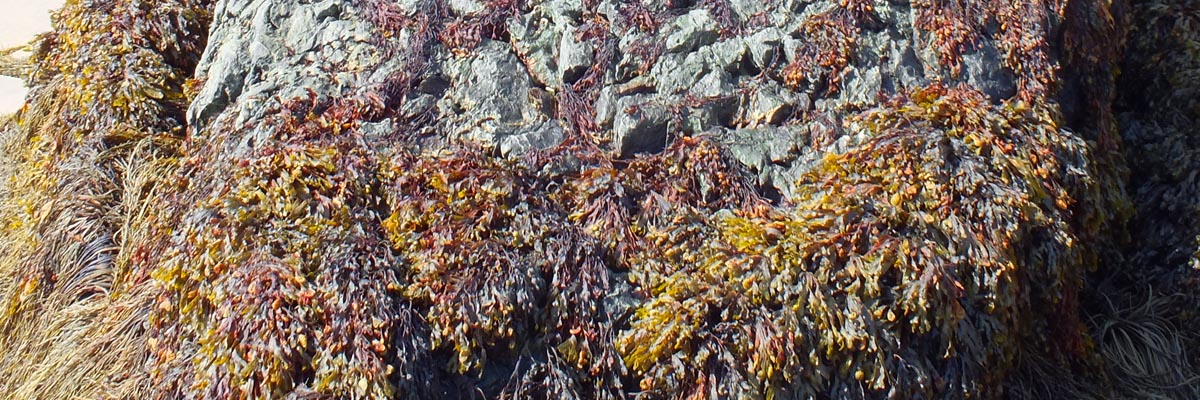 |
Tide Line #3
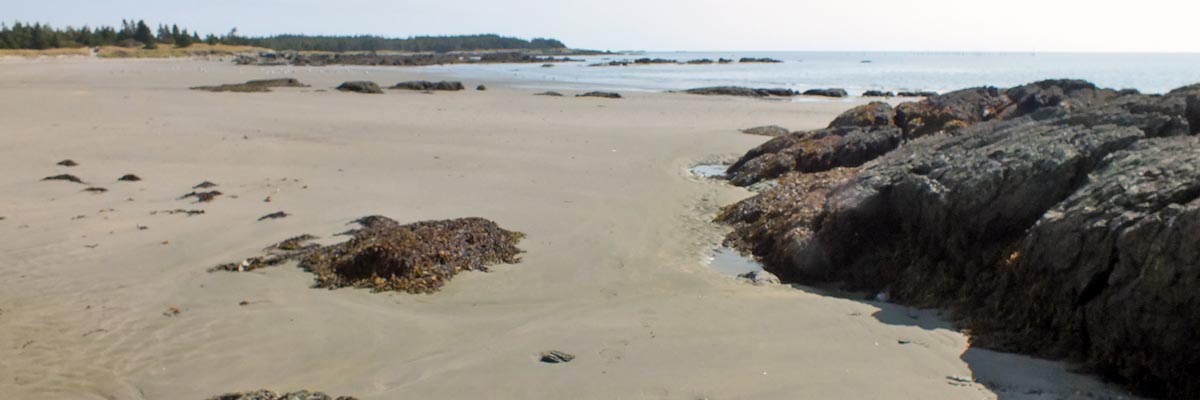 |
Sandy Cove Beach
 |
Sandy Cove Beach
 |
Long Point Light
 |
Long Point Beach
 |
White Head Harbour
 |
White Head Harbour
 |
Grand Manan Museum
 |
Grand Manan Museum
 |
Swallowtail Light
 |
Swallowtail Light
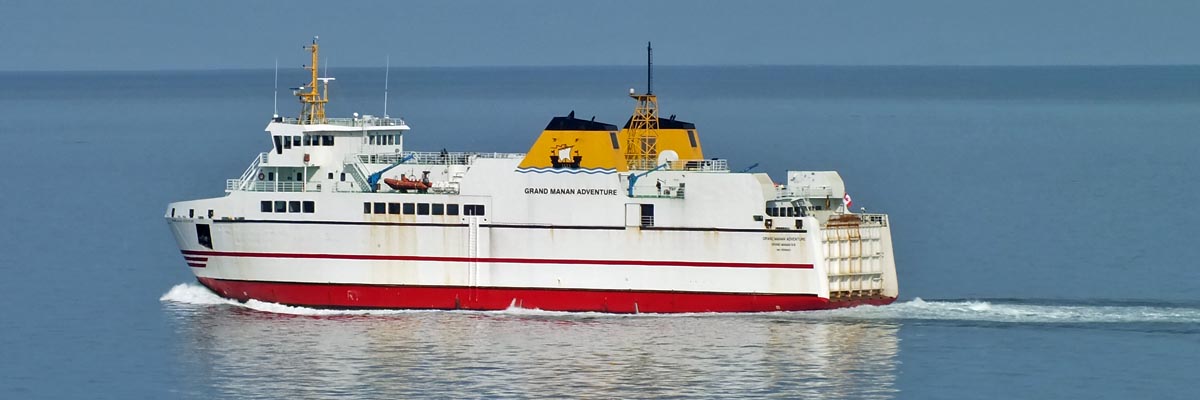 |
Grand Manan Adventure
 |
Swallowtail Light
 |
Swallowtail Light
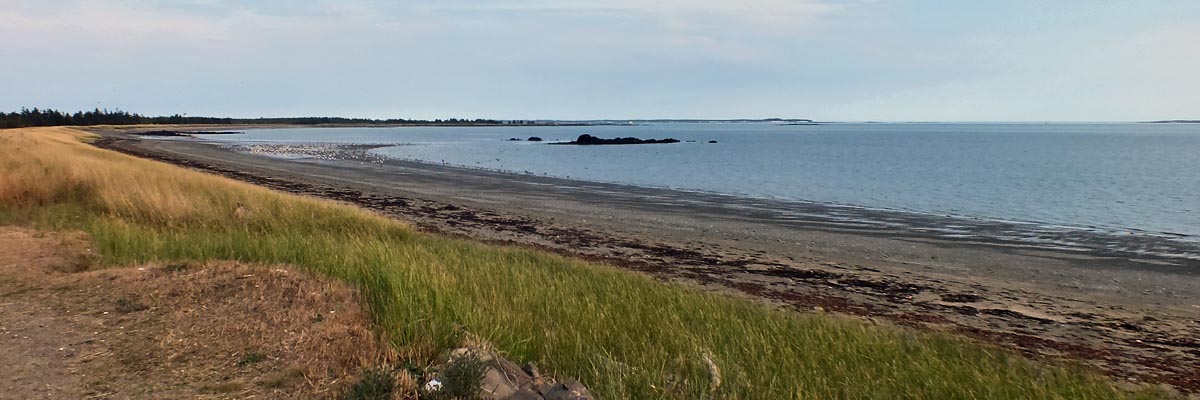 |
Long Pond Bay
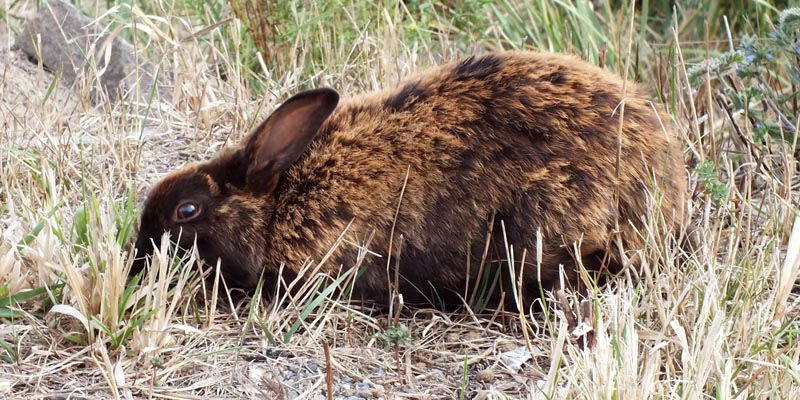 |
Bunny
Next
| September |
| S | M | T | W | T | F | S |
| 13 | ||||||
| 14 | 15 | 16 | 17 | 18 | 19 | 20 |
| 21 | 22 | 23 | 24 | 25 | 26 | 27 |
| 28 |
The North Atlantic Arc Home
Mr Tattie Heid's Mileage
Results may vary
MrTattieHeid1954@gmail.com